

Caracal Distribution

The Caracal (Caracal caracal) distribution extends across a vast range throughout Africa, the Middle East and into South West Asia, excluding true desert and rainforest habitat. Three subspecies are described - two in Africa and one in Asia.
Caracal Distribution in Africa
The African Caracal cat is common in southern Africa and occurs widely in the rest of Africa, except for the equatorial rainforests and deep interior of the Sahara desert.
The highest populations occur in South Africa and Namibia with viable populations throughout the rest of its African range. The number of Caracals in South Africa are estimated between 45,000 and 150,000.
Caracals occur in 41 African countries across all five regions.
List of African countries where Caracals occur (IUCN Red List):
North Africa: Algeria, Egypt, Libya, Morocco, Sudan, Tunisia, Western Sahara
West Africa: Benin, Burkina Faso, Côte d'Ivoire, Gambia, Ghana, Guinea, Guinea-Bissau, Mali, Mauritania, Niger, Nigeria, Senegal, Togo
Central Africa: Angola, Cameroon, Central African Republic, Chad, Democratic Republic Congo
East Africa: Djibouti, Eritrea, Ethiopia, Kenya, Malawi, Mozambique, Somalia, Tanzania, Uganda, Zambia, Zimbabwe
Southern Africa: Botswana, Lesotho, Namibia, South Africa, Swaziland

Caracal Distribution Map - Africa and Asia
This distribution map video shows the range of the Caracal throughout Africa and Asia, followed by a list of the African countries for each subspecies in the African range.
Caracal Range Map courtesy IUCN Red List.
Subspecies added according to A revised Taxonomy of Felidae (2017).

Caracal Distribution Middle East to Asia
The Caracal's range extends from Africa into the Middle East and southern Asia as far as India, with populations declining in the extreme east of their range.
Other regions where Caracals occur (IUCN Red List):
Middle East: Iran, Iraq, Israel, Jordan, Kuwait; Lebanon, Oman, Saudi Arabia, Syrian Arab Republic, United Arab Emirates, Yemen
Eastern Europe: Turkey
Asia: Afghanistan, India, Kazakhstan, Pakistan, Tajikistan, Turkmenistan, Uzbekistan
The subspecies in this region is the Asian or Asiatic Caracal, which includes a small African portion of Northeast Egypt.


Caracal Subspecies
Historically up to nine subspecies were recognised however the last taxonomic revision of the Felidae cat family in 2017 proposed only three subspecies, subject to further research:
- Southern and Eastern African Caracal - Caracal caracal caracal - Southern and East Africa
- North and West African Caracal - Caracal caracal nubicus - North and West Africa
- Asian Caracal - Caracal caracal schmitzi - Middle East to India
Other common names for the subspecies are South African Caracal, North African Caracal and Asiatic Caracal.
For the full classification of this wild cat see Caracal Lineage - Caracal caracal Classification.

Stream a new African Safari every night
Presented by the highly experienced safari guide James Currie, this exciting series takes you onto the plains and into the jungles of Africa.
From UNESCO World Heritage sites to stunning bird sanctuaries, and from national parks to hidden-gem wilderness areas, experienced travelers and armchair enthusiasts alike will enjoy this exhilarating tour of Africa.
Caracal Habitat
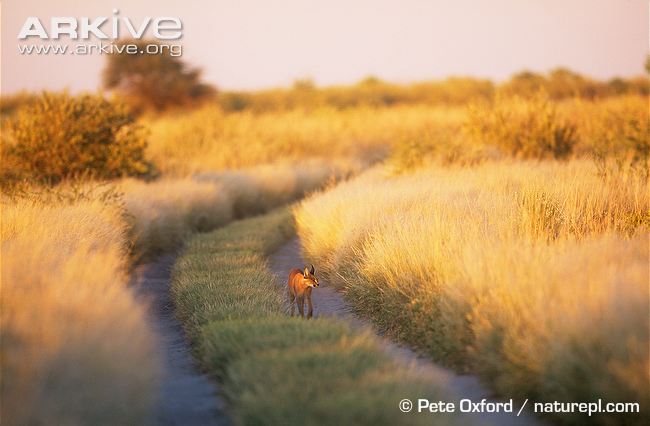
Across their vast range covering Africa into Asia, Caracals occur in most habitat types except for the true deserts and tropical rainforests. Their most common habitat in Africa is semi-arid savanna, one of the typical African vegetation types.
The IUCN Red List has standardised habitat types globally and the following seven types are important for Caracals (IUCN Red List):
- Forest - Subtropical/Tropical Dry
- Savanna - Dry
- Shrubland - Subtropical/Tropical Dry
- Grassland - Temperate
- Grassland - Subtropical/Tropical Dry
- Desert - Hot
- Desert - Temperate

Where to see Caracal Cats in Africa
The best chance of seeing Caracals is to visit the national parks or local nature reserves of the countries within their distribution. Most wild cats are nocturnal or crepuscular and rarely seen during the day, so go on the early morning and late afternoon to evening game drives. All of the medium to smaller cats are very difficult to spot in the wild so consider yourself very lucky if you do have a sighting!
iNaturalist is a global citizen science platform where people can post their sightings of animals in the wild. Identification is verified by other members and subsequently conservationists and scientists use this data in their important work.
If you have been lucky enough to spot one of the smaller cats in your travels, no matter how long ago, please upload your images to the platform and thus help with research and conservation of this species.
Here are links to view the sightings that have recently been posted:
Southern and Eastern African Caracal Observations
North and West African Caracal Observations
(Note there are also images of dead animals if you are a sensitive viewer.)
Another excellent resource if you are planning a trip to Africa is the Mammal Watching website. Here comprehensive trip reports and mammal lists are posted by travellers, focussing on observing the mammals of the world. Check out the trip reports listing Caracal Cats in their sightings checklist as well as some stunning photos.