
African Big Cats ~ Lions, Leopards and Cheetahs
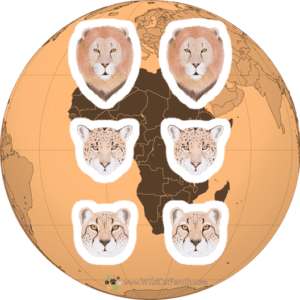
The three African big cats are:
- African Lion (Panthera leo subspecies leo)
- African Leopard (Panthera pardus subspecies pardus)
- African Cheetah (Acinonyx jubatus subspecies jubatus, soemmerringi and hecki)
All three of these wild cats also occur in Asia but in very small populations.
African Big Cats
African Big Cats: Kings of the Savannah
Africa’s wild landscapes are home to some of the most iconic and powerful predators in the animal kingdom. Among them, three stand out for their majesty, grace, and role in ecosystems: the lion, leopard, and cheetah. These African big cats are not only symbols of the wild, but they also reflect the delicate balance of nature and the growing need for conservation.
The Lion: The Regal Predator
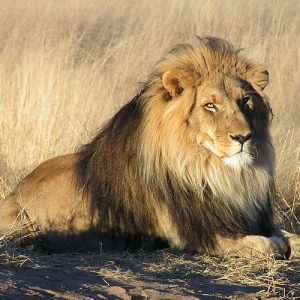
Lions are perhaps the most recognizable and socially structured of the African big cats. Known as the “king of the jungle”—though they primarily inhabit savannahs and grasslands—lions are unique among big cats for their social behavior. They live in groups called prides, which can consist of up to 30 individuals, including multiple females, their offspring, and a few dominant males.
Male lions are easily distinguished by their impressive manes, which range in color and size and serve as a sign of maturity and strength. These manes also provide some protection during fights with rivals. Lions are apex predators, typically hunting in groups to take down large prey like zebras, buffalo, and even young elephants.
Despite their strength and fearsome reputation, lions face numerous threats, including habitat loss, conflict with humans, and poaching. Their population has declined dramatically, making conservation efforts critical for their survival.
The Leopard: The Stealthy Survivor
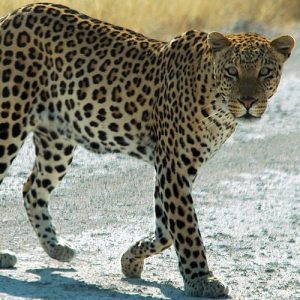
Leopards are masters of stealth and adaptability. Solitary by nature, these cats are elusive and prefer to hunt alone, using ambush tactics rather than strength in numbers. Their spotted coats—a pattern called “rosettes”—provide perfect camouflage in wooded areas, grasslands, and even mountainous regions.
Unlike lions, leopards are known for their tree-climbing prowess. They often haul their kills into trees to protect them from scavengers like hyenas. This behavior not only shows their strength but also their intelligence and foresight.
Leopards are incredibly adaptable and have one of the widest distributions among big cats, found across sub-Saharan Africa and into parts of Asia. However, despite their adaptability, their numbers are declining due to habitat fragmentation, human encroachment, and the illegal wildlife trade.
The Cheetah: The Speed Demon
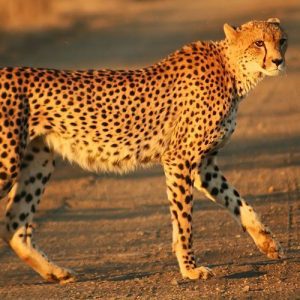
Cheetahs are built for speed, making them the fastest land animals on Earth. With a sleek, aerodynamic body, long legs, and large nasal passages for increased oxygen intake, cheetahs can reach speeds of 60 to 70 mph (97 to 113 km/h) in short bursts, typically under 20 seconds. Their distinctive black "tear marks" running from the eyes to the mouth help reduce glare and enhance focus while hunting.
Cheetahs prefer open grasslands where they can use their speed to chase down small to medium-sized prey such as gazelles and impalas. Unlike lions or leopards, cheetahs rarely scavenge or confront other predators and are often chased away from their kills by stronger carnivores.
Their unique physiology, while advantageous for speed, also makes them vulnerable. Cheetahs have low genetic diversity, making them more susceptible to disease and environmental changes. They also struggle in fragmented habitats, where human activity limits their space to roam and hunt.


Comparison: Lion vs. Leopard vs. Cheetah
Let’s compare these three African big cats across three key categories: appearance, distribution, and endangered status.
1. Appearance
Lion: Large, muscular, and tawny in color. Males have a distinctive mane, which varies in color from blond to black.
Leopard: Medium-sized with a powerful build. Coat is golden with dark rosettes. Smaller and more compact than lions.
Cheetah: Slim, lightweight body built for speed. Tan coat with solid black spots (not rosettes). Has a smaller head and a deep chest, along with the characteristic black tear marks.
2. Distribution
Lion: Found in sub-Saharan Africa, with a small population in the Gir Forest of India. Prefers savannahs, grasslands, and open woodlands.
Leopard: Widely distributed across sub-Saharan Africa and parts of Asia. Adaptable to various habitats, including rainforests, mountains, and semi-arid regions.
Cheetah: Historically widespread across Africa and Asia, now primarily found in eastern and southern Africa. Prefers open plains and grasslands.
3. Endangered Status
According to the International Union for Conservation of Nature (IUCN):
Lion: Vulnerable. Population decreasing, with fewer than 20,000 remaining in the wild.
Leopard: Vulnerable, though status varies by region. Populations are decreasing, especially in West and North Africa.
Cheetah: Vulnerable, with fewer than 7,000 individuals left in the wild. Some subspecies, like the Asiatic cheetah, are critically endangered.
Conservation Efforts
Various organizations and governments are working to protect these majestic animals. Key conservation strategies include:
Anti-poaching measures and stronger law enforcement.
Habitat protection through the establishment of national parks and reserves.
Community-based conservation, where local people are involved in protecting wildlife and benefit economically from ecotourism.
Genetic diversity programs, especially important for cheetahs, which suffer from inbreeding due to small population sizes.
Education and awareness are also essential. The more people know and care about these animals, the more likely they are to support efforts to save them.
Conclusion
The lion, leopard, and cheetah each play a crucial role in Africa’s ecosystems. Though different in behavior, habitat preference, and appearance, they are all under threat from human activities. Their survival depends not only on conservationists and governments but on collective global awareness and action. Preserving these magnificent creatures means preserving the wild spirit of Africa itself.
Sources
IUCN Red List of Threatened Species – https://www.iucnredlist.org/
National Geographic – https://www.nationalgeographic.com
Panthera (Big Cat Conservation Organization) – https://www.panthera.org/
African Wildlife Foundation – https://www.awf.org/
WWF – World Wildlife Fund – https://www.worldwildlife.org/