
The Smallest African Wild Cat is the Black-footed Cat ~ Videos

- The Smallest African Wild Cat
- Black-footed Cat Videos
- Wild Cats Films: A devoted Black-footed Cat mother and her kitten.
- AGRI TV: Farmers help with Black-footed Cat research in South Africa.
- Field researcher: Capturing a Black-footed Cat to replace a radio-tracking collar.
- San Diego Zoo Safari Park: Black-Footed Cats hunt and play.
- 5050 Community: Wildlife Wonder - Black Footed Cats
Black-footed Cat
The Smallest African Wild Cat
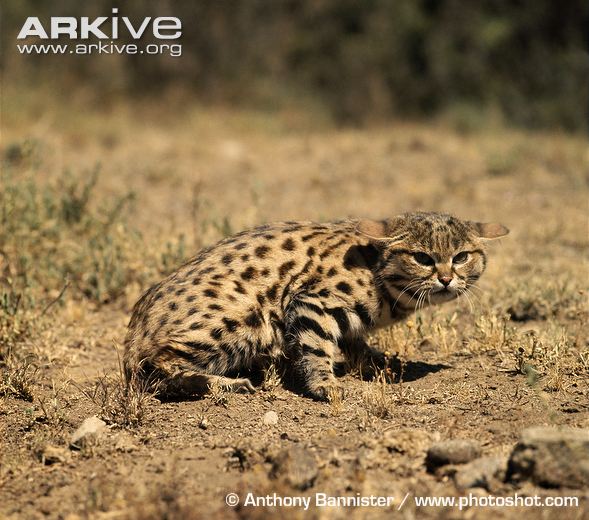
The Black-footed Cat (Felis nigripes) is a small yet highly specialized wild cat native to sub-Saharan Africa, known for its remarkable hunting efficiency and unique behavioral traits. This species is the smallest African wild cat and the second smallest of all wild cats, only surpassed in size by the Rusty-spotted Cat (Prionailurus rubiginosus), which is found in India and Sri Lanka. Despite its diminutive size, the Black-footed Cat has earned a reputation for being one of the most effective hunters in the animal kingdom, a reputation that was solidified by a documentary that highlighted its 60% hunting success rate, often dubbing it "ferocious" and "deadly." However, while the Black-footed Cat’s success rate is remarkable, it is important to note that other wild cats, such as the larger lions, cheetahs, and even domestic cats, also boast similarly high success rates, though their hunting tactics and ecological roles differ significantly.
Small Size Advantage
At just 50 cm in body length and weighing between 1.5 to 2.5 kg, the Black-footed Cat’s small size is a significant factor in its survival strategy. This compact build enables the cat to easily navigate the dense scrub, grasslands, and savannas of Southern Africa, where it primarily hunts small mammals, birds, and insects. Its size also makes it an adept predator of animals that larger cats may overlook or struggle to catch. The Black-footed Cat’s hunting technique is characterized by rapid ambushes and high agility, allowing it to make quick, lethal strikes. Its success rate is a result of both its efficient physical capabilities and its strategic hunting behaviors, which include hunting mostly at night to avoid competition with larger predators.
Use of Burrows
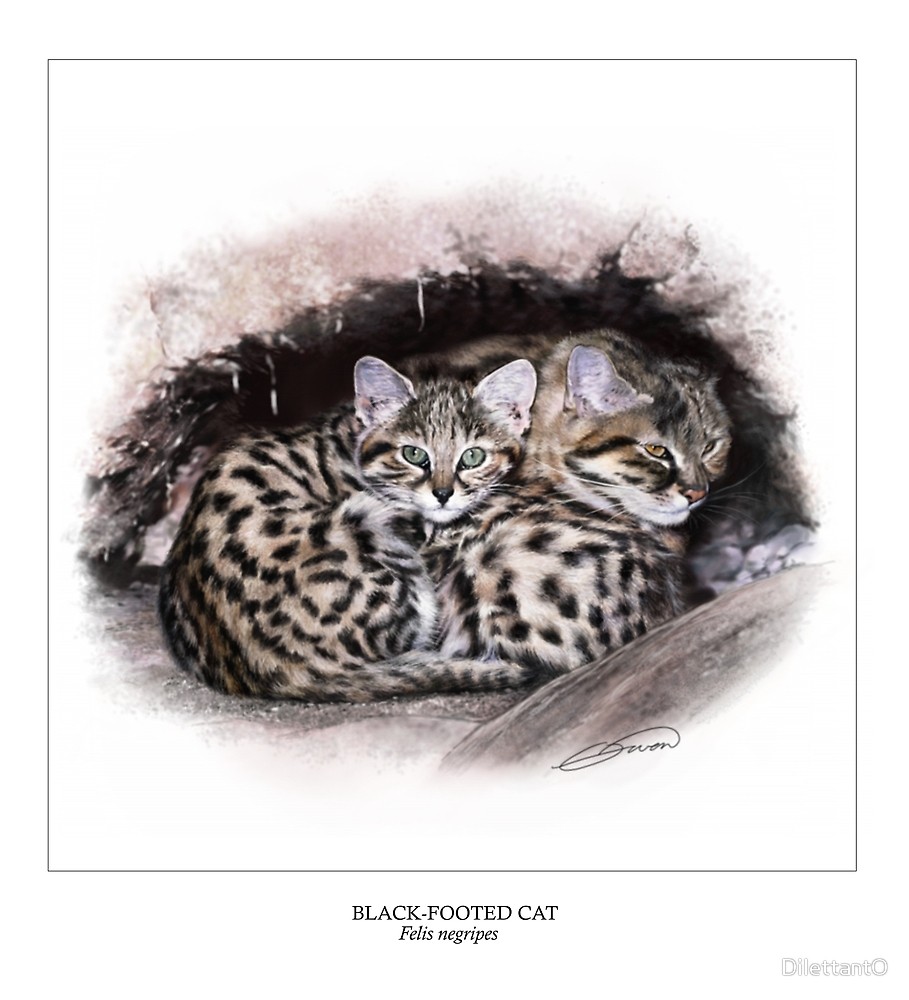
One of the most fascinating aspects of the Black-footed Cat’s behavior is its use of burrows for denning and shelter. Unlike other larger wild cats, which typically seek refuge in trees or caves, the Black-footed Cat is often observed taking shelter in burrows which its small size allows it to do. These burrows are typically abandoned ones from larger animals, such as meerkats or ground squirrels, which the cat then adapts for its use. The underground burrows provide safety from predators and harsh weather conditions, making them an important aspect of the cat's survival in its arid and open habitat. This adaptation is unusual among wild cats, as most prefer to remain above ground.
Hunting Success Rate
When compared to other wild cats, the Black-footed Cat’s success rate of 60% is indeed impressive, but not entirely unique. For example, the cheetah (Acinonyx jubatus), which is known for its exceptional speed, has a hunting success rate that hovers around 58%, a figure that is remarkably close. Similarly, the African lion (Panthera leo), while much larger, has a comparable success rate of about 50%, especially when hunting in groups. However, lions rely heavily on cooperation and the strength of the pride, while the Black-footed Cat is a solitary hunter, showcasing a different method of achieving success. Its small size and solitary nature necessitate a level of stealth and efficiency that larger, more social predators do not require.
Conclusion
In conclusion, the Black-footed Cat’s small size is an integral part of its ecological niche, facilitating its ability to hunt effectively while utilizing burrows for shelter. Its impressive 60% hunting success rate, though high, is part of a broader pattern observed in many wild cat species, though the Black-footed Cat’s combination of size, agility, and unique behavioral adaptations make it stand out. Further research into its behavior, especially its use of burrows, could offer valuable insights into the survival strategies of small predators in harsh environments.
References:
- Parker, I. (1990). "The African Wild Cat." The Mammals of Africa.
- Van Niekerk, A. (2004). “Ecology and behavior of the Black-footed Cat.” Journal of African Mammalogy.
- Loveridge, A. J., & Macdonald, D. W. (2001). "Predator-prey dynamics in the wild cat species of Africa." Wildlife Journal.

Stream a new African Safari every night
Presented by the highly experienced safari guide James Currie, this exciting series takes you onto the plains and into the jungles of Africa.
From UNESCO World Heritage sites to stunning bird sanctuaries, and from national parks to hidden-gem wilderness areas, experienced travelers and armchair enthusiasts alike will enjoy this exhilarating tour of Africa.
Black-footed Cat Videos
Except for the one taken in San Diego Zoo, these video clips are all taken in South Africa. These wild cats are so small, nocturnal and mostly solitary, that it is very rare to come across them in the wild, so most online images and videos will be of captive cats.
Discover more information about Black-footed cats, Black-footed Cat characteristics and Black-footed Cat distribution in Africa.
Reference for introductory video texts: Chapter "Black-footed Cat" from Wild Cats of the World by Luke Hunter - on our list of recommended books on wild cats.
Wild Cats Films: A devoted Black-footed Cat mother and her kitten.
Black-footed Cat kittens are born in spring and summer in the wild to coincide with the rains and increase in prey. There are usually two kittens in a litter and the female produces one litter a year; sometimes a second litter if the first litter does not survive. The kittens are born in termite mounds or abandoned burrows and mature rapidly reaching independence at three to four months.
The rehabilitation centre in this video clip uses a hollowed out log to simulate the dark and small burrows the cats would normally occupy in the wild.
AGRI TV: Farmers help with Black-footed Cat research in South Africa.
Black-footed Cats occur in the semi-arid habitats of South Africa, Namibia and Botswana. In the central part of South Africa near Kimberley, Dr. Alex Sliwa and the Black-footed Cat Working Group have been running a long term research project that had its beginnings in 1992. Movement data and biological specimens are collected from a number of collared cats and students record prey abundance as well as other information from behavioural observations.
The project is primarily funded by a Canadian organisation that raises donations to help small cat conservation. Anyone can donate to the Black-footed Cat project via their website.
Field researcher: Capturing a Black-footed Cat to replace a radio-tracking collar.
"Black-footed Cats are an endangered species endemic to southern African. They are entirely nocturnal and solitary.
As the second smallest feline species in the world, this is one of the most difficult cats to conduct research on.
This is a short clip documenting field work carried out by the Black-footed Cat Working Group as part of a long-term monitoring study.
Ilse, a female cat was re-captured during the day. Her old radio-tracking collar was replaced with a brand new one. After collecting standard biological and morphological data by the team of ecologists, veterinarians and field biologists she was returned unharmed to a burrow. She can be seen leaving some time later, none the worse for her experience."
San Diego Zoo Safari Park: Black-Footed Cats hunt and play.
"As the smallest African species, black-footed cats are naturally rare and considered Vulnerable on the IUCN Red List of Endangered Species.
Visitors to the San Diego Zoo Safari Park can get a glimpse of this secretive pair in Nairobi Village next to the fennec fox."
In this video clip you can clearly see the black undersoles of the feet, from where the cats get their name.
5050 Community: Wildlife Wonder - Black Footed Cats
"At first glance, the Black footed cat may look like your average tabby-cat, but attempt to scratch one behind the ears, and you will fast be singing a different tune. Fondly dubbed ‘anthill tigers’ these diminutive felines are fierce little predators, perfectly adapted to survive the perils of the wild. Shy and seldom seen, this week’s Wildlife Wonder glimpses into the secretive world of Africa’s smallest cat, and although impossibly cute, these little cats really do prove that dynamite does come in small packages."